Opposing Forces in Keith Hennessy’s Saliva
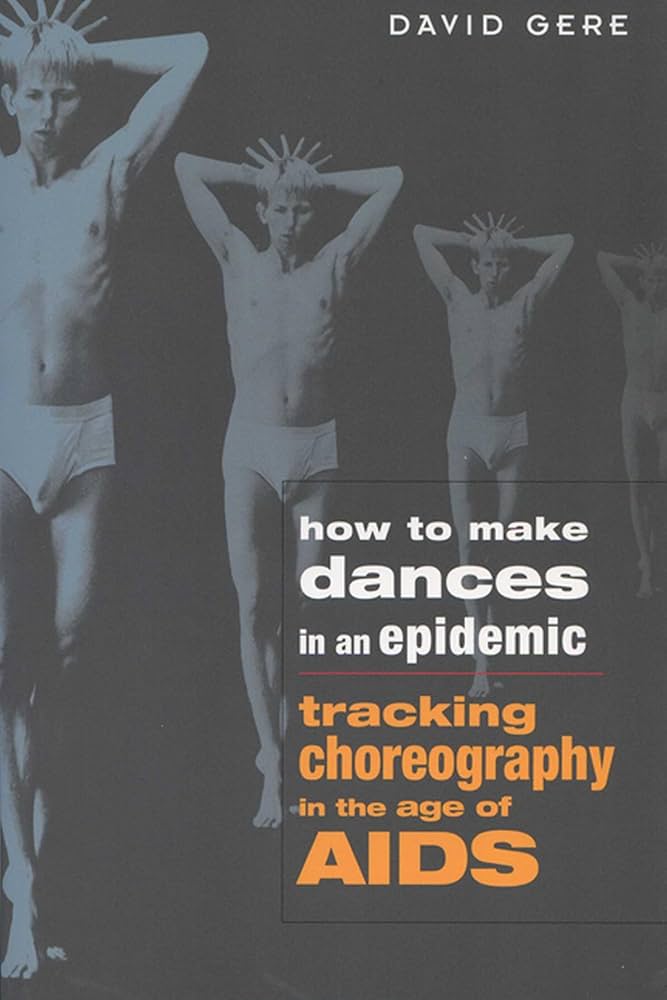
In 1988, beneath a San Francisco freeway, Keith Hennessy transformed a concrete jungle into a Catholic church. In his performance piece Saliva, Hennessy drew heavily on the ritual of the Catholic service in order to offer his audience a sense of healing. During the AIDS epidemic, the gay community was severely at odds with the Catholic Church. This conflict began in the ‘80s with a dispute over the use of condoms to protect against sexually-transmitted diseases (Stop the Church). The two groups became increasingly at odds, and it was at this moment that Keith Hennessy chose to perform Saliva. According to David Gere, author of How to Make Dances in an Epidemic, Hennessy “carefully designed Saliva…as a close analog to the gestural and textual maneuvers of the Roman Catholic priest preparing communion” (Gere 60). In the piece, he passed around a communal spit bowl, modeling it on the Communion Rite. He also positioned his limbs to simultaneously evoke the figure of Christ and a famous image of a graffiti artist (Gere 58). These details of Hennessy’s performance created a striking contrast between the Church’s beliefs and the gay community’s struggle with AIDS. At the same time, Hennessy drew these opposing forces into one ritual, one choreography. His combination of religion and sex might have seemed jarring and even unsettling to viewers. However, Gere notes that the piece ultimately had a healing effect on the audience. The ritual of the Mass allowed Hennessy to attach themes of sacrifice and togetherness to his piece. He honored the spit that he collected from his audience and safe “like a balm or a salve” (Gere 60). However the Christian themes in Hennessy’s performance could not evoked this sense of resolution without also evoking conflict. The Catholic Church’s dismissal of the gay community would have been fresh on the minds of Saliva audience members. Hennessy managed to use that discord as a stepping stone to a larger theme of healing and shared experience.
Works Cited
Gere, David. How to Make Dances in an Epidemic: Tracking Choreography in the Age of AIDS. University of Wisconsin Press, 2004.
Stop the Church. Directed by Robert Hilferty, 1991.
