Mirrors and Shadows in Pavement
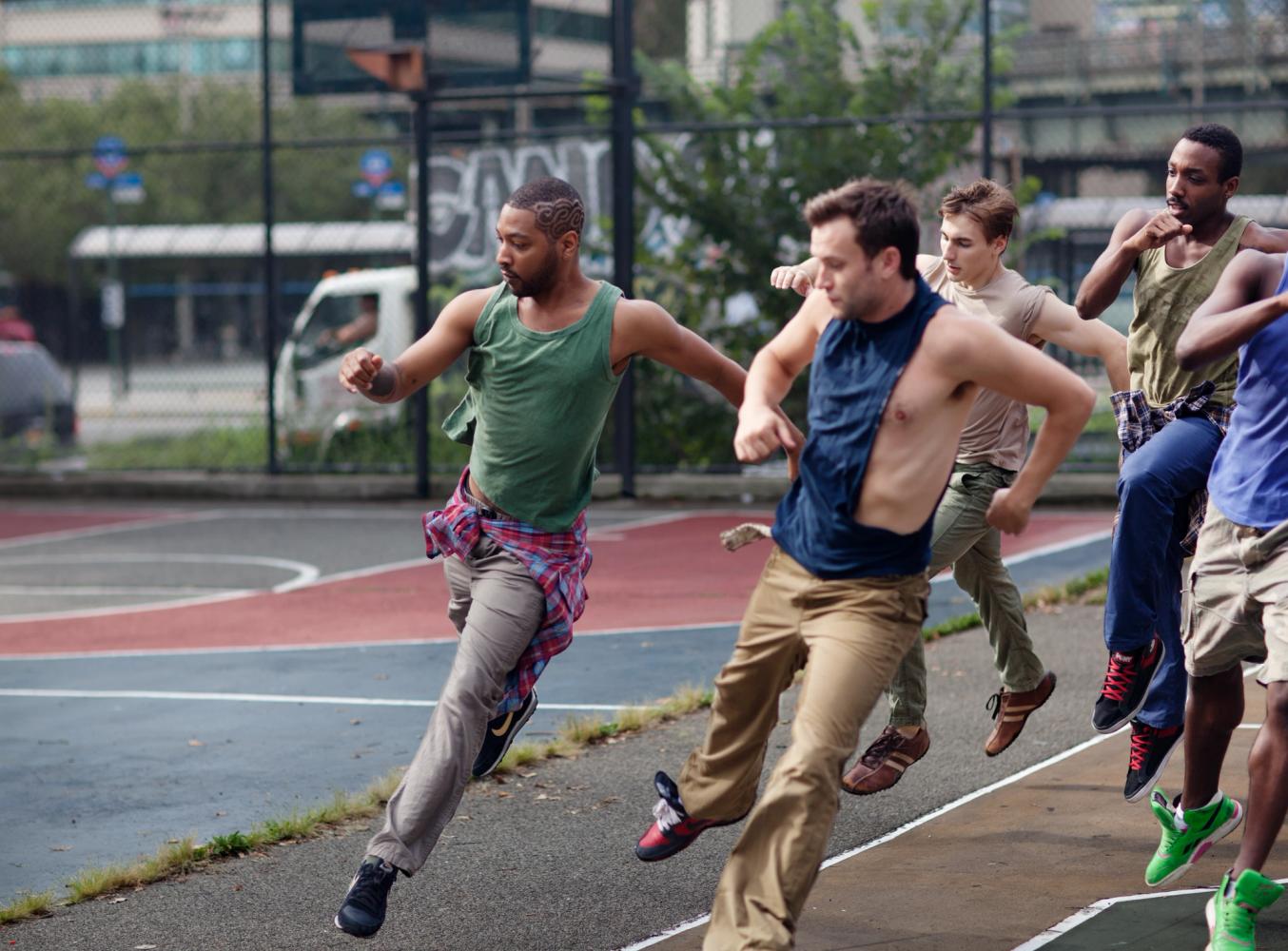
Dance is a powerful tool for shaping our cultural values as well as reflecting them. In Pavement (2012), Kyle Abraham makes use of reflection to put the Black American experience on stage. One blog’s review of the dance comments, “Abraham doesn’t need to make a piece about racism…all he needs to do is hold up a mirror” (Jessicadaretodance). This reviewer’s assessment both confirms and challenges my own thoughts about the piece. The motif of mirrors comes up throughout the dance, primarily in frequent synchronized choreography. In my opinion, this choice does allude to the dance’s larger function as a societal mirror. However, when the performers dance together, one is often slightly behind the other, both in position and timing. As a viewer, this left me wondering whether what I was seeing was not a mirror but a shadow. In particular, I thought of Peter Pan’s famous shadow, a pesky thing that does not hesitate to defy its human counterpart. In Pavement, the dancer acting as a shadow often breaks free of synchronization and becomes independent—and sometimes malicious. While I believe that mirrors and reflection are an important theme in Pavement, I propose that shadows are just as relevant. Abraham asks us to view the legacy of systematic racism as a presence with a mind of its own, a painful influence liable to emerge at any time.
Works Cited
Jessicadaretodance. “Review: Kyle Abraham’s Pavement.” Dare to Dance, 3 Jan. 2018, daretodance.co/2018/01/03/review-kyle-abrahams-pavement/.
“Pavement.” Performance by Kyle Abraham in collaboration with A.I.M, 2012.
“Pavement | A.I.M by Kyle Abraham.” Aimbykyleabraham.com, 2025, www.aimbykyleabraham.com/tours-archive/pavement.
