The Spiral Hierarchy
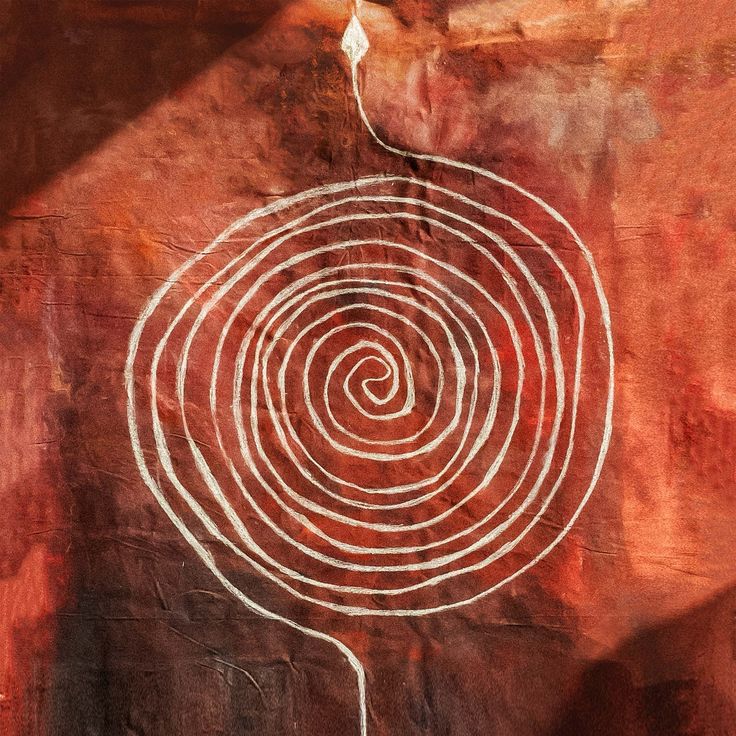
Michelle Alexander’s 2010 book The New Jim Crow reveals that racial progress in the US is not linear. In fact, it is much less impressive than many believe it to be. More than 150 years after the 13th Amendment abolished slavery, African Americans continue to experience daily oppression applied by a racial caste system. Alexander explains that although this racial hierarchy has changed and disguised itself throughout US history, it has not dissolved as many white Americans believe it has. Alexander describes a cycle in which “African Americans [are] controlled through institutions such as slavery and Jim Crow, which appear to die but then are reborn in new form, tailored to the needs and constraints of the time.” Her visual description of the US’s racial hierarchy illustrates the US’s twisted progress extremely effectively. A linear understanding of history would fail to communicate the deception that each “new form of racialized social control” presents. Alexander points out that “it is not at all obvious that it would be better to be incarcerated for life for a minor drug offense than to live with one’s family, earning an honest wage under the Jim Crow regime—notwithstanding the ever-present threat of the Klan.” As I read her description of this cycle, I imagined a spiral. Each rotation of oppression and collapse follows the same path as the one before it, but it still moves outwards and covers new ground. Furthermore, each new cycle contains all the previous revolutions within it. By visualizing the current system of mass incarceration as the latest rotation in a spiral that began with chattel slavery, I am better able to understand how the US can appear to make racial progress without abandoning its fundamental racial hierarchy.
Works Cited
Alexander, Michelle. The New Jim Crow : Mass Incarceration in the Age of Colorblindness, New Press, The, 2010. ProQuest Ebook Central, http://ebookcentral.proquest.com/lib/davidson/detail.action?docID=5651869.
